The Source / A field guide to feeling better
Explore the body.
Follow the connections.
Start where it hurts. Look a little closer. Find clear explanations and published research to help you understand what comes next.
Where would you like to explore?
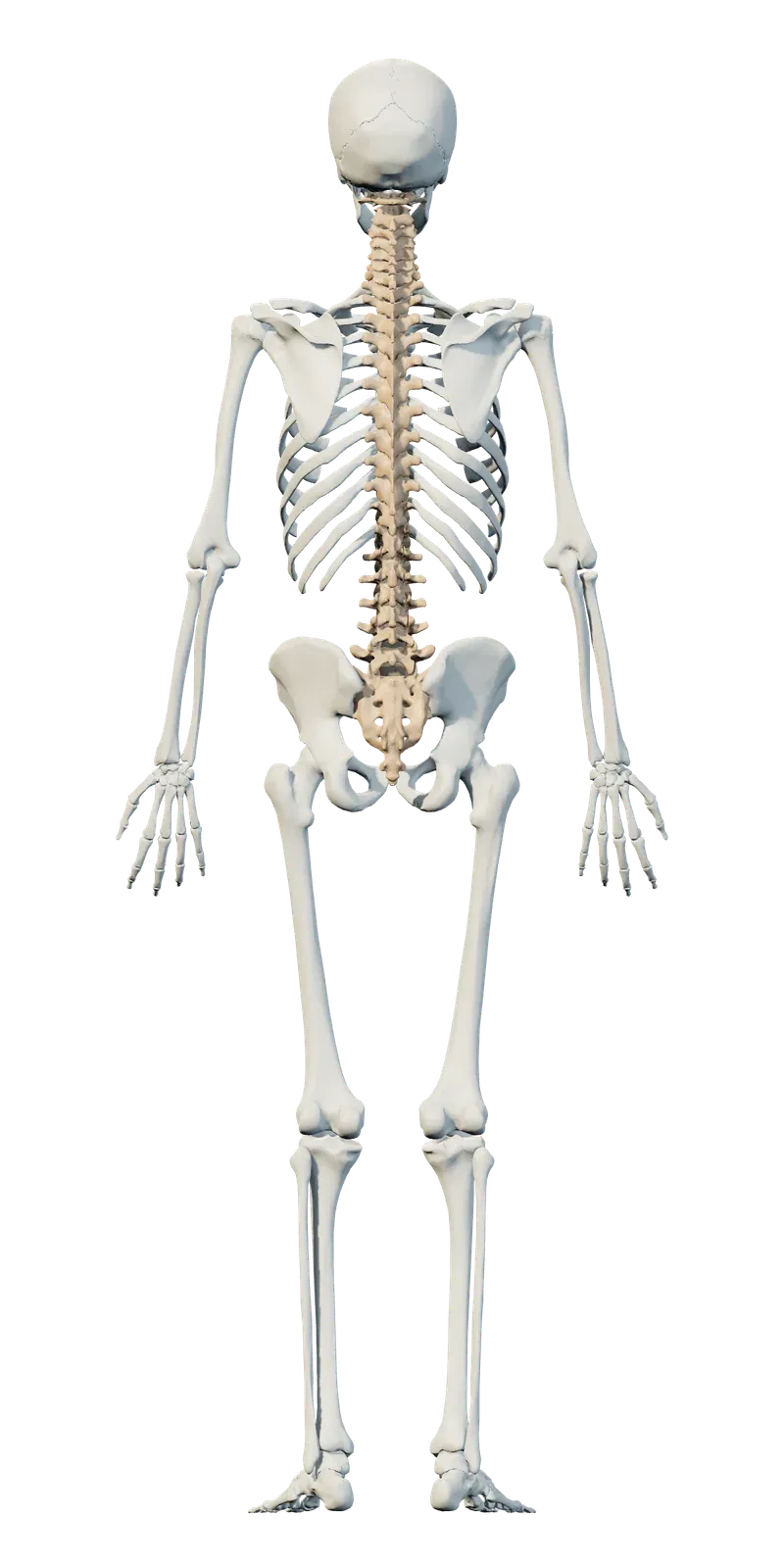
Select a label or a point to explore
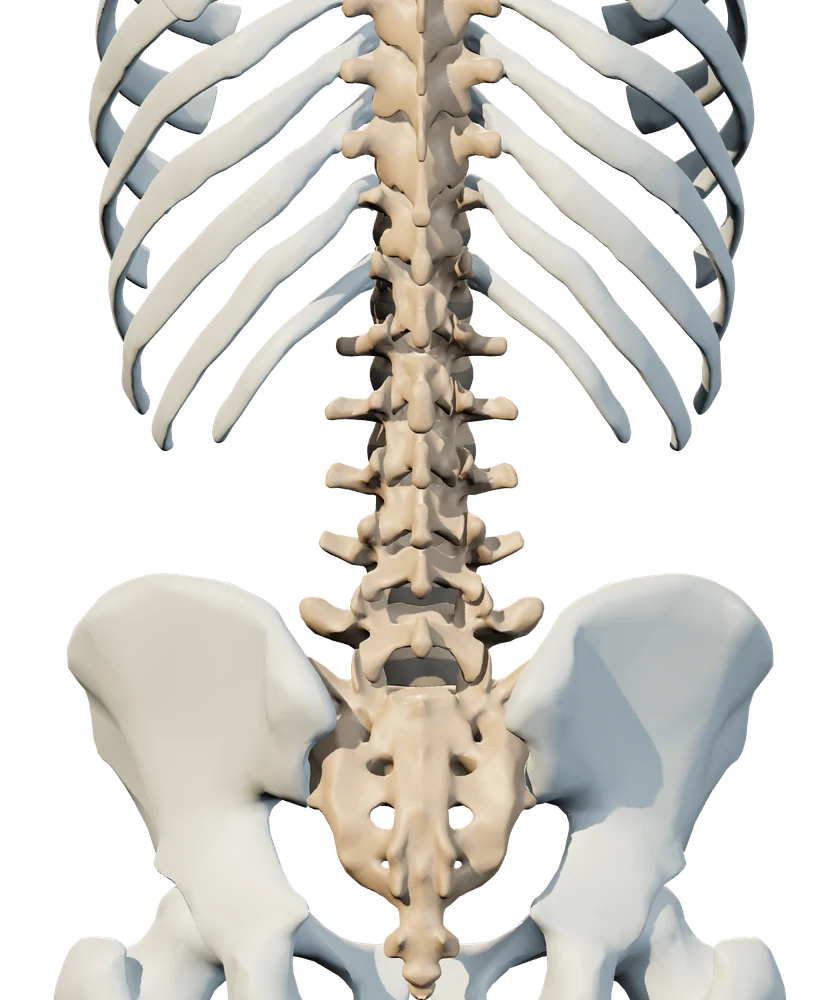
Lower Back
Back pain is a location. Sciatica is a symptom pattern. A disc is one structure that may be involved. Knowing the difference helps.
Explore lower backFollow the question
Find a condition guide
18 guides
Plain-language explanations for patients, with published sources for readers who want to go deeper.
- Condition guide
Ankle sprains
Early assessment, rebuilding balance and confidence, and when an injury may be a fracture.
Understand this condition - Condition guide
Arm & leg pain
Local joint and muscle symptoms versus pain traveling along a nerve.
Understand this condition - Condition guide
Back pain
Common back-pain patterns, warning signs and how to judge progress in everyday life.
Understand this condition - Condition guide
Carpal tunnel syndrome
Hand tingling, median nerve compression and the importance of recognizing weakness.
Understand this condition - Condition guide
Disc injury
Disc changes, symptoms and treatment choices without assuming every scan finding explains pain.
Understand this condition - Condition guide
Elbow tendinopathy
Pain with gripping or lifting, often called tennis elbow, and the evidence around treatment choices.
Understand this condition - Condition guide
Headaches & migraines
Different headache patterns, what an assessment can clarify, and symptoms that need urgent care.
Understand this condition - Condition guide
Hip pain
Groin, outer-hip and buttock pain can point to different structures and different next steps.
Understand this condition - Condition guide
Jaw pain & TMD
Jaw muscles, joint discomfort and the role of movement, dental assessment and self-management.
Understand this condition - Condition guide
Knee pain
Swelling, stiffness and loading pain, with a closer look at nonsurgical care for osteoarthritis.
Understand this condition - Condition guide
Neck pain
Stiffness, referred pain and nerve symptoms: understand the questions an examination should answer.
Understand this condition - Condition guide
Plantar heel pain
Pain under the heel, especially on the first steps, and a gradual approach to loading the foot.
Understand this condition - Condition guide
Sciatica
Leg pain related to nerve irritation, what scans can and cannot tell you, and when to seek help.
Understand this condition - Condition guide
Scoliosis
Spinal curvature, monitoring and the difference between managing symptoms and changing a curve.
Understand this condition - Condition guide
Shoulder pain
Reaching, lifting and sleeping on your side: learn about common shoulder-pain patterns.
Understand this condition - Condition guide
Vertigo
Why spinning has several causes, and why the diagnosis comes before a neck treatment.
Understand this condition - Condition guide
Whiplash
What to watch for after an acceleration injury and how recovery is assessed.
Understand this condition - Condition guide
Work-related pain
How job demands, an injury history and a practical return-to-activity plan fit together.
Understand this condition
No matching guides. Try another symptom, browse by body area, or ask about an assessment.
Conditions are listed here by the name of the problem. If you already know what a procedure is called, Services lists those instead.
Several of these overlap
Sciatica, disc injury and back pain describe the same territory from three directions: sciatica names a pattern of pain, a disc injury names one structure that can produce it, and back pain covers the region both sit in.
Arm and leg pain, carpal tunnel and neck pain overlap for a different reason. Pain and numbness are felt where the nerve ends, not necessarily where it is compressed, so a nerve root irritated in the neck can produce symptoms in the hand that resemble carpal tunnel syndrome, which is a compression at the wrist. Telling those apart is an examination question rather than a reading question.
Two things that are not appointments
Some symptoms in this list belong to a medical emergency rather than to a chiropractic visit, and that outranks everything else on the page.
Loss of bladder or bowel control alongside back or leg symptoms, new difficulty passing urine or a change in the sensation of passing urine, or numbness through the saddle area, can indicate cauda equina syndrome, which is a surgical emergency. Go to an emergency department rather than waiting for an appointment.
Dizziness that arrives with new neurological symptoms, such as double vision, slurred speech, difficulty swallowing or weakness on one side, needs urgent medical assessment. It is also the presentation for which neck manipulation is contraindicated.
If this is not the right place
If we are not able to help you with your problem or are unable to reduce your pain levels, we will make sure to give you a recommendation to another experienced provider.
What a first visit involves is on the new patient page.
For patients & practitioners
A source is a starting point.
Research notes name the study, the people it involved and what it cannot tell us. Use them to ask a better question at your next visit, or follow the publication to examine its methods.
Evidence about one condition or treatment does not establish that every chiropractic service helps. The guides distinguish an explanation, an option and a claim supported by a particular study.