The Source / A field guide to feeling better
Knee
Stairs, a walk and rising from a chair can tell you what a knee problem is changing in your life.
Can you point to it?
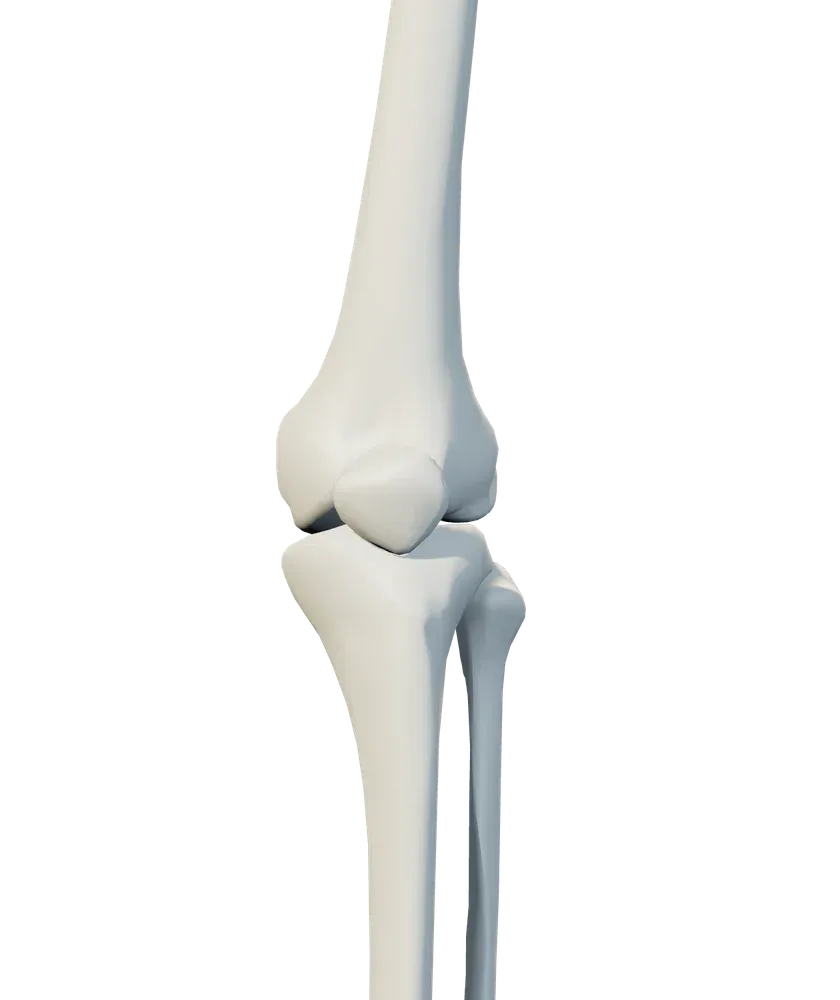
Select a label to explore its side of the body
Choose the closest area.
Select a point on the close-up, or choose below. You’ll find possible explanations, questions to bring to a visit, and the evidence behind the discussion.
Put the symptoms in context
An injury with swelling is a different starting point from gradual stiffness. The right plan depends on the cause, your goals and what an examination finds.
Follow the question
Explore knee
These guides describe possibilities, not a diagnosis. Each explains what to ask, where the evidence applies and when another kind of care is needed.
Start with swelling, timing and function
Use the knee-pain guide to distinguish an injury history from gradually developing symptoms and to recognize urgent warning signs. A knee that locks after a twist presents a different question from months of stiffness.
Choose everyday goals before discussing a treatment package: a particular staircase, getting up from a chair or walking to a destination. Bring previous imaging reports and a record of treatments already tried.
“Nonsurgical” includes several options
The study below compares physical therapy with a steroid injection in knee osteoarthritis. It does not establish that every knee problem needs the same exercises or that spinal adjustments restore cartilage. The guide explains why the working diagnosis should come before choosing among exercise, medicines, hands-on care or a specialist opinion.
Follow the evidence
Research, with context.
Published sources behind the discussion. Read the findings alongside the limits; a study is not a diagnosis or a promise of a result.
Physical Therapy versus Glucocorticoid Injection for Osteoarthritis of the Knee
156 patients with knee osteoarthritis in the US military health system.
What it foundPatients assigned physical therapy had less pain and disability at one year than those assigned glucocorticoid injection.
What it cannot tell usThis was a physical-therapy trial in a particular setting. It does not establish cartilage regeneration or validate every treatment offered for knee pain.
Publication details & citation
Deyle et al. Physical Therapy versus Glucocorticoid Injection for Osteoarthritis of the Knee. New England Journal of Medicine. 2020. DOI: 10.1056/NEJMoa1905877.
Read the publication record
Read our editorial policy for how sources and clinical review are identified.