03 / Understand the area
Arch & sole of the foot
The arch transfers load as you stand and walk. Pain here does not automatically mean that your foot shape needs correcting.
An educational guide for either side of the body. Location alone cannot tell us the cause of a symptom.
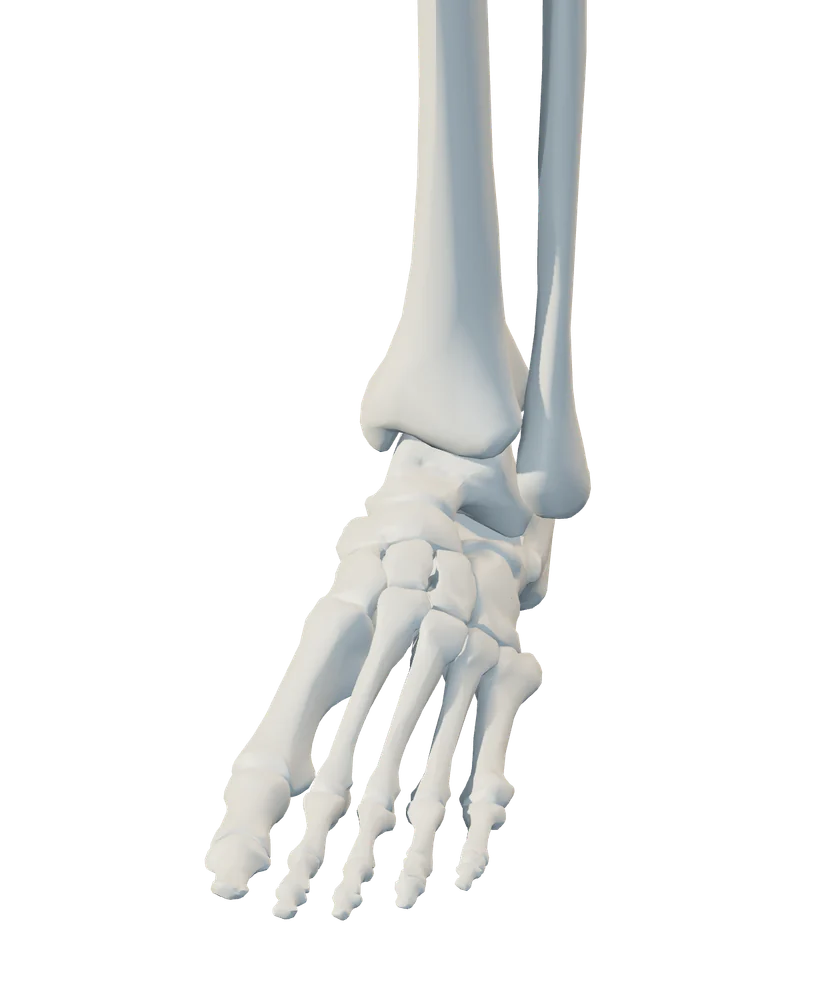
A useful starting point
What this area can tell you.
An ache along the sole, burning or tingling, and sharply localized pain after an injury deserve different questions. Describe whether discomfort connects to the heel or stays in the middle of the foot, and whether a change in footwear or activity preceded it. The examination may consider loading, tendon function, sensation and injury history. A plan should explain which finding it is addressing and how you will judge whether walking and standing are becoming easier.
Notice the pattern
Three questions to bring with you.
You don’t need to work out a diagnosis before a visit. These details can help you describe what you’re experiencing.
- Does the discomfort connect to the heel or stay in one spot in the middle of the foot?
- Is it an ache with loading, burning or tingling, or a sharp pain after injury?
- Have footwear, walking distance or standing time changed, and is comfortable walking improving?
When to get help sooner
Marked midfoot swelling or bruising after injury, especially with difficulty bearing weight, needs urgent assessment. A cold or numb foot, or a red, hot foot with a wound or fever, needs prompt medical care.
Follow the connection
Possible explanations. Better questions.
These guides explore conditions or patterns that may overlap with this area. They are starting points for a conversation, not a list of diagnoses that can be confirmed from a body map.
Plantar heel pain
Pain under the heel, especially on the first steps, and a gradual approach to loading the foot.
Read the guide Condition guideArm & leg pain
Local joint and muscle symptoms versus pain traveling along a nerve.
Read the guide Condition guideAnkle sprains
Early assessment, rebuilding balance and confidence, and when an injury may be a fracture.
Read the guideRead the result with its limits
How the research fits this area.
The plantar fascia trial studied chronic heel pain and may be relevant when that diagnosis includes nearby arch symptoms. It did not test treatment for undiagnosed arch pain or show that an arch shape needs correction.
How we select and explain sources ↗Follow the evidence
Research, with context.
Published sources behind the discussion. Read the findings alongside the limits; a study is not a diagnosis or a promise of a result.
Tissue-specific plantar fascia-stretching exercise enhances outcomes in patients with chronic heel pain. A prospective, randomized study
101 patients with plantar fasciitis lasting at least ten months.
What it foundPlantar fascia-specific stretching improved worst pain and first-step pain more at eight weeks than Achilles stretching.
What it cannot tell usOnly 82 patients returned. Both groups also received insoles, medication and education, so the results cannot be attributed to stretching alone or generalized to every heel problem.
Publication details & citation
DiGiovanni et al. Tissue-specific plantar fascia-stretching exercise enhances outcomes in patients with chronic heel pain. A prospective, randomized study. Journal of Bone and Joint Surgery. 2003. DOI: 10.2106/00004623-200307000-00013.
Read the publication record
Read our editorial policy for how sources and clinical review are identified.
Your next step
Bring your questions.
We’ll start there.
An assessment can help clarify the pattern, discuss suitable care, and identify when another clinician should be involved.
Anatomy: BodyParts3D, © DBCLS, CC BY 4.0. Model & rendering credits. Return to the full body explorer.