03 / Understand the area
Outside of the hip
Pain over the outside of the hip can make sleeping on your side, climbing stairs or taking a longer walk uncomfortable.
An educational guide for either side of the body. Location alone cannot tell us the cause of a symptom.
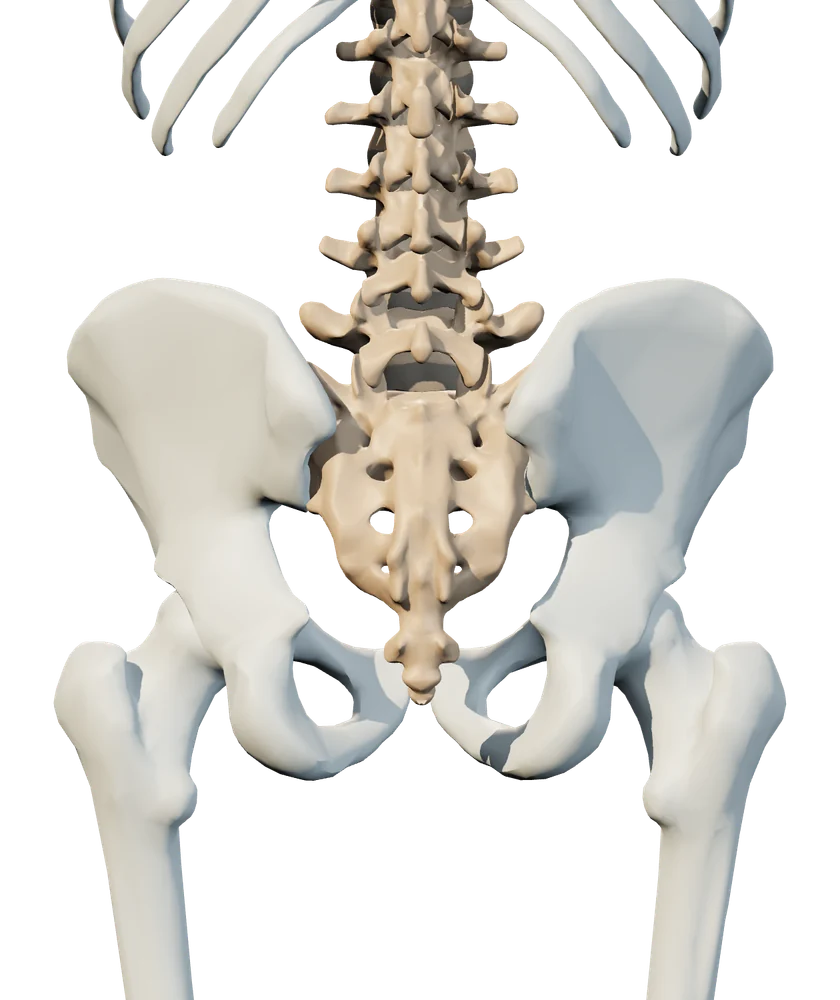
A useful starting point
What this area can tell you.
Gluteal tendon problems are one possible explanation for this pattern, but pain location does not confirm the diagnosis. An assessment may also consider the hip joint, lower back and how symptoms respond to daily loading. Describe whether pressure from lying on the side differs from pain with walking or standing. A useful plan should connect the diagnosis to an achievable activity goal and explain how exercise or activity adjustments will be progressed and reviewed.
Notice the pattern
Three questions to bring with you.
You don’t need to work out a diagnosis before a visit. These details can help you describe what you’re experiencing.
- Is direct pressure while lying on that side different from pain during walking?
- Do stairs, hills or standing on one leg during dressing bring on the familiar symptoms?
- Has your walking distance or exercise load changed, and are back or groin symptoms also present?
When to get help sooner
Severe hip pain after a fall or inability to bear weight needs urgent medical assessment. A hot, swollen hip area with fever, or new leg weakness, also needs prompt care.
Follow the connection
Possible explanations. Better questions.
These guides explore conditions or patterns that may overlap with this area. They are starting points for a conversation, not a list of diagnoses that can be confirmed from a body map.
Read the result with its limits
How the research fits this area.
The trial studied confirmed gluteal tendinopathy, not all hip pain. Education and exercise improved reported recovery more than injection at one year, although pain scores were not different between those groups then.
How we select and explain sources ↗Follow the evidence
Research, with context.
Published sources behind the discussion. Read the findings alongside the limits; a study is not a diagnosis or a promise of a result.
Education plus exercise versus corticosteroid injection use versus a wait and see approach on global outcome and pain from gluteal tendinopathy: prospective, single blinded, randomised clinical trial
204 adults aged 35–70 with confirmed gluteal tendinopathy.
What it foundEducation with load management and exercise improved pain and global recovery more at eight weeks. Global improvement remained better than injection at 52 weeks.
What it cannot tell usAt 52 weeks, pain did not significantly differ from the injection group. These results concern gluteal tendinopathy, not all hip pain or hip arthritis.
Publication details & citation
Mellor et al. Education plus exercise versus corticosteroid injection use versus a wait and see approach on global outcome and pain from gluteal tendinopathy: prospective, single blinded, randomised clinical trial. BMJ. 2018. DOI: 10.1136/bmj.k1662.
Read the publication record
Read our editorial policy for how sources and clinical review are identified.
Your next step
Bring your questions.
We’ll start there.
An assessment can help clarify the pattern, discuss suitable care, and identify when another clinician should be involved.
Anatomy: BodyParts3D, © DBCLS, CC BY 4.0. Model & rendering credits. Return to the full body explorer.