How Can Chiropractic Care Help Posture
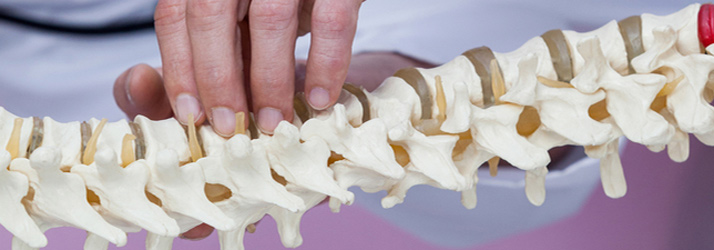
A lot of posture questions are really about a task: a day at a desk, a long drive, lifting something without setting your back off. When people ask us at Source Chiropractic about chiropractic care for posture, or what's often called postural correction, the honest answer starts with that task and your setup, because a photo of how you stand can't explain a health problem by itself.
Is your work setup part of the posture problem?
At a computer, how you sit is only part of it: the screen, keyboard, chair and whatever you reach for all day count too. OSHA's workstation evaluation checklist calls for a monitor placed so you aren't constantly turning your head, supported feet, equipment that lets you change position, and breaks from repetitive tasks.
Posture discomfort often has a pattern: one task, a stretch of time, a change when you shift position. That pattern says more than a snapshot does, and the aim is a few practical changes, not one rigid pose all day. MedlinePlus's posture guide recommends changing sitting positions, short walking breaks and work surfaces at a comfortable height. Our 3D posture scan records how you stand in about a minute. It's a measurement, separate from the exam, never a diagnosis.
Does your posture explain your symptoms?
When posture is the worry, we want to hear about the pain or stiffness behind it: where it is, if it travels into an arm or leg, and what's been tried, including any imaging. How you sit is one piece of that, not the whole story and not a treatment plan.
For back pain, the National Institutes of Health describes an assessment built on your history, what makes the pain better or worse, and a physical exam, with tests chosen when the findings call for them. By that guidance, most people don't need imaging at a first visit. After the exam, we'll go over what we found before we recommend anything, and we'll tell you if it's something we don't treat.
Trouble breathing, or digestive symptoms that won't go away, need a medical evaluation. We don't put them down to posture or spinal alignment. Severe trouble breathing or chest pain means calling 911 right away, and it shouldn't wait for posture advice, ours included. MedlinePlus lists the breathing symptoms that need emergency help.
What does chiropractic care for posture-related pain involve?
If we recommend care, it comes after we've gone over what we found, and the plan is built around your condition and your goals. Depending on those, it may include short-term care, longer-term options, or both. Ongoing visits come from that plan and the findings behind it. How you stand, on its own, isn't a reason for them. What the plan is aimed at, what you can do on your own, and when progress gets looked at again are all fair questions when we go over it. Depending on the findings, exercise, physical therapy or changes at work may fit. NICE, which writes clinical guidelines for England's NHS, recommends manual therapy for low back pain only as part of a package that includes exercise. That guideline doesn't make manipulation a way to improve organ function or prevent future illness.
Manual treatment isn't risk-free, so the risks and the alternatives belong in the conversation before it starts. Our guide to deciding on chiropractic care lays out the evidence and when another route fits better.
For neck or back pain, our neck pain and back pain guides go further, and the neck and upper back sections collect the research. If desk days or long drives keep leaving your neck or back stiff and sore, call us and tell us which task sets it off. First time with us? The new patient page walks through that first visit.
Follow the evidence
Research, with context.
Selected published sources behind what we've written, each with what it found and what it can't tell us. We give you both halves because no paper can diagnose you or predict how your own care will go.
Workplace interventions for reducing sitting at work
34 studies involving 3,397 workers in the June 2018 review.
What it foundLow-quality evidence suggested sit-stand desks reduced sitting time in the short and medium term. Results for several other workplace interventions were uncertain.
What it can't tell usThe review measured sitting time, and sitting less isn't the same as preventing back pain. This edition had no evidence on effects past one year, and the publisher links a later update.
Publication details & citation
Shrestha et al. Workplace interventions for reducing sitting at work. Cochrane Database of Systematic Reviews. 2018. DOI: 10.1002/14651858.CD010912.pub4.
Read the publication recordSpinal manipulation, medication, or home exercise with advice for acute and subacute neck pain: a randomized trial
272 adults with nonspecific neck pain lasting 2 to 12 weeks.
What it foundManipulation performed better than medication at several follow-ups, but there was no important pain difference between manipulation and home exercise with advice.
What it can't tell usTreatment was unblinded. The study doesn't cover every cause of neck pain, instability after trauma, or an unexplained neurological problem.
Publication details & citation
Bronfort et al. Spinal manipulation, medication, or home exercise with advice for acute and subacute neck pain: a randomized trial. Annals of Internal Medicine. 2012. DOI: 10.7326/0003-4819-156-1-201201030-00002.
Read the publication record
Our editorial policy explains how to read these sources and what our clinical-review labels mean.